
 English
 中文简体
 русский
 Français
 عربى
 Español
- Type:
- Industry News
- Date:
- 2026-Nov-06
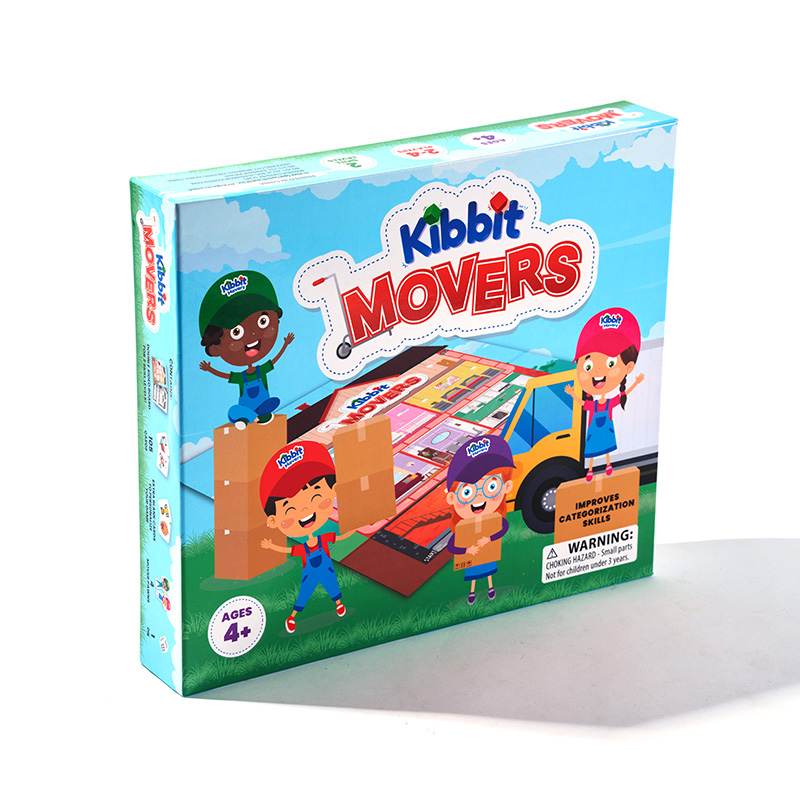
As parents look for more screen-free activities that keep children engaged, board games and card games are gaining renewed attention in the toy market. Families want products that combine entertainment, interaction, and simple learning experiences, while retailers are looking for designs that appeal to different age groups and fit changing consumer preferences. As a Childern Board Game Card Manufacturer, we see these changing expectations reflected in product development, particularly in card durability, game rules, visual design, and packaging. For businesses sourcing children's board game cards, understanding these details helps reduce product issues and create games that children actually enjoy playing.
Screen-Free Play Creates New Opportunities for Card Games
The growing interest in unplugged play is influencing how parents and retailers evaluate children's games. Instead of choosing toys that require screens or complicated electronic functions, many families are exploring traditional board games, matching cards, memory games, and interactive learning cards.
These products offer children opportunities to communicate, follow instructions, recognize patterns, and participate in group activities. For retailers, this creates opportunities to develop collections for family entertainment, classroom activities, travel games, and educational gift markets.
Game Rules Should Match Children's Development Stages
One common problem in children's game development is creating rules that are either too complicated or too simple for the intended audience. If children cannot understand the instructions, they may quickly lose interest. If the game offers little challenge, repeated play can become less attractive.
During product planning, we recommend considering:
- Age suitability: Match vocabulary, illustrations, and gameplay difficulty to the intended age group.
- Playing time: Keep individual rounds manageable for children's attention spans.
- Interaction: Include activities that encourage communication, observation, memory, or problem-solving.
- Instructions: Use clear wording and visual examples to make the game easier to understand.
These details help buyers develop products with a clearer market position.
Card Material and Printing Quality Affect Daily Use
Children's playing cards are handled frequently, shuffled, turned over, and sometimes carried outside the home. Poor material selection can result in bent corners, surface wear, faded printing, or cards that become difficult to shuffle.
As a manufacturer, we pay attention to material selection, surface finishing, printing clarity, and cutting consistency during production. Buyers should evaluate card thickness, flexibility, surface feel, and resistance to everyday handling before confirming bulk orders.
It is also important to check whether the selected material and printing process are suitable for the intended market and applicable product safety requirements.
Attractive Artwork Helps Products Stand Out
Visual design has become an important consideration as toy products receive greater exposure through social media, online marketplaces, and unboxing videos. Bright illustrations, recognizable characters, interesting themes, and consistent color combinations can make a card game easier to notice.
However, attractive artwork should not come at the expense of readability. Card symbols, text, and illustrations need to remain clear when printed at their actual production size.
For private-label buyers, customized themes, artwork, logos, and card layouts can help establish a recognizable product identity.
Packaging Needs to Protect Cards and Simplify Storage
Packaging is another detail that deserves attention during product development. Children's board game card sets may include multiple card categories, instruction sheets, and additional game accessories. If the packaging is poorly structured, cards can become mixed up or damaged during transportation and storage.
We recommend evaluating packaging based on several practical considerations:
- Whether the card set fits securely inside the box.
- Whether children can open and close the packaging easily.
- Whether the internal arrangement keeps different card groups organized.
- Whether the outer packaging provides sufficient protection during shipping.
A well-planned packaging design also makes products easier for retailers to display and manage.
Safety and Quality Checks Support Overseas Distribution
For overseas buyers, children's product safety is an important part of supplier evaluation. Requirements may vary depending on the destination market, product classification, and intended age group.
In the United States, applicable children's toy requirements include ASTM F963 and relevant CPSIA obligations. Buyers should confirm testing, certification, labeling, and material requirements before placing production orders.
From our manufacturing perspective, checking printed content, card dimensions, cutting edges, packaging, and finished-product consistency helps identify potential problems before shipment.
Custom Manufacturing Meets Different Market Requirements
Different buyers have different product development goals. Educational brands may focus on alphabet, number, and vocabulary cards, while toy distributors may prefer memory games, matching games, or themed family card sets. Gift suppliers may also need customized artwork and coordinated packaging.
Working with an experienced Childern Board Game Card Manufacturer allows buyers to discuss material options, printing methods, card specifications, artwork customization, and packaging arrangements during product development. By addressing these details before mass production, businesses can reduce avoidable revisions and develop children's board game card products that better match their target markets.