
 English
 中文简体
中文简体 русский
 Français
 عربى
عربى Español
- Type:
- Industry News
- Date:
- 2026-Sep-11
Material selection has a direct connection with the physical character of a game card. A Game Card Manufacturer may offer paper-based materials and plastic options for different applications.
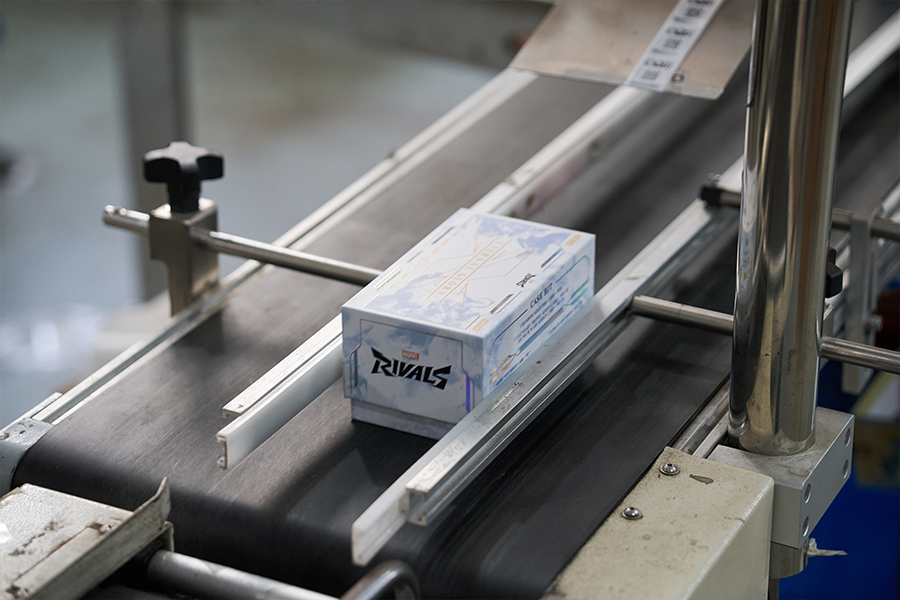
Art paper and coated paper are common choices for printed card products. Black core paper contains an inner dark layer that can help reduce transparency between the front and back of a card. Blue core and white core constructions provide other options for different projects.
Plastic cards can be considered when a project requires a different surface or handling property. The appropriate material depends on gameplay, storage, artwork, packaging, and expected use.
Card Stiffness and Handling
Players handle cards repeatedly during gameplay, so card construction needs to match the intended experience.
Card stiffness can influence how a deck is held, shuffled, stacked, and stored. Surface texture can also affect how cards slide against each other.
For games involving frequent shuffling, designers may pay close attention to card stock and surface treatment. Educational cards may require a different balance between readability, handling, and storage.
A prototype can help designers compare material options before production.
Printing Methods
Game card artwork commonly includes illustrations, text, icons, backgrounds, borders, and character graphics. The printing method needs to reproduce these elements clearly.
CMYK printing is widely used for full-color artwork. Pantone references can be used when specific colors need to be controlled for branding or visual consistency.
Digital printing can be useful for prototype work and selected production requirements. Offset printing can be used for larger production projects where consistent printed output is required.
Double-sided printing is common for game cards. The front and back artwork needs to be aligned correctly with the cutting layout.
Preparing Artwork for Printing
Artwork files should contain the correct card dimensions and bleed areas. Important text and symbols should remain within safe zones.
Images need suitable resolution so that illustrations and small details remain clear. Fonts should be embedded or converted according to production requirements.
Card sequencing should also be checked. A game may contain different card categories, and the production file needs to reflect the intended order.
The card back deserves particular attention because alignment differences can become visible when decks are stacked together.
Surface Finishing
Surface finishing changes both appearance and tactile characteristics.
Matte coating can create a soft, non-reflective appearance. Gloss coating can produce a brighter surface. Linen texture adds a patterned tactile effect to the card surface.
Lamination can provide another protective layer. UV treatment can be applied across a surface or to selected areas.
Foil stamping introduces metallic decorative details. Embossing can create raised areas, while debossing creates recessed details.
These methods can be applied to titles, symbols, borders, character elements, or decorative artwork.
Special Card Effects
Some game projects require distinctive visual treatments. Holographic effects can be used on selected cards, while foil elements can highlight special artwork.
Custom card backs can also distinguish different decks or categories. A card game with several factions or player groups may use different visual themes for each group.
Special treatments should remain compatible with the selected card stock and packaging structure. A sample can help determine whether the effect works as intended before broader production.
Materials for Different Game Types
Trading card games often require detailed artwork, clear text, and surfaces suitable for repeated handling.
Board game cards may include action instructions, event information, resource values, or reference content.
Educational cards often place greater attention on readable text and visual recognition. Family and party games may use illustrations and short instructions designed for group interaction.
Promotional cards can require branded colors, logos, and custom artwork.
Because each application has different requirements, material and printing choices should be considered together rather than separately.
Inspection During Printing
Printing inspection can cover color reproduction, artwork alignment, cutting marks, coating, and card edges.
Material inspection can check surface condition and card construction. Finishing inspection can verify that coatings, foil elements, or embossed details correspond with the approved design.
When printing, material selection, finishing, and packaging are planned together, the resulting card product can maintain a consistent visual and physical character throughout the deck.