
 English
 中文简体
中文简体 русский
 Français
 عربى
عربى Español
- Type:
- Industry News
- Date:
- 2026-Sep-04
A Game Card Manufacturer can support projects that begin with a simple game concept and develop into a complete printed card product. Custom card production is used for tabletop games, trading card games, educational activities, family entertainment, promotional projects, and independent game publishing.
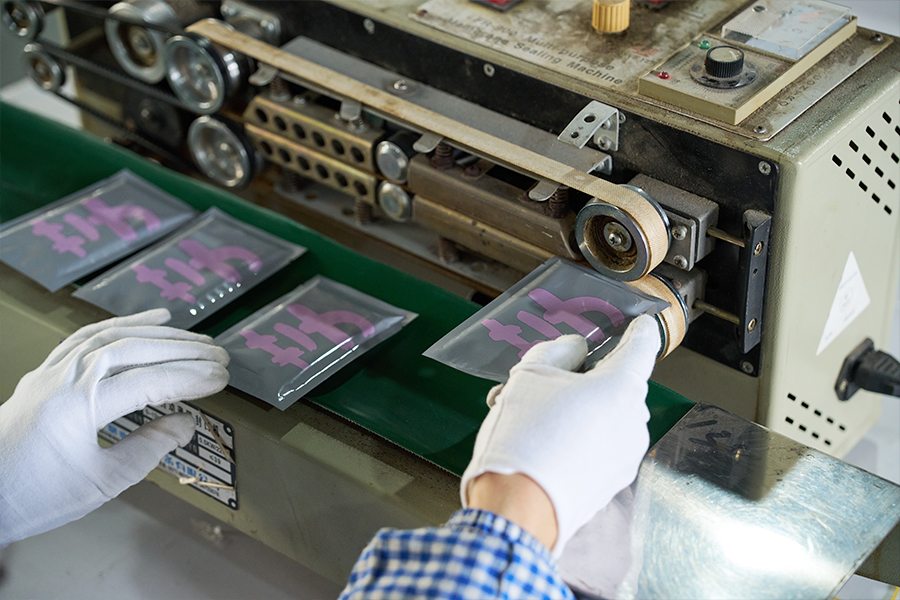
The process usually starts with artwork, card text, game rules, symbols, and packaging ideas. Designers may already have complete production files, while other projects require assistance with preparing artwork for printing. Clear communication during this stage helps establish the required card structure and production method.
A custom game card project can involve different card categories. Character cards, action cards, resource cards, event cards, question cards, and reference cards can all have different layouts. Their visual structure should remain easy to understand during gameplay.
Artwork and File Preparation
Artwork preparation is an important part of card manufacturing. Each card needs correct dimensions, bleed areas, safe zones, and suitable image resolution. Text and symbols should remain within safe areas so that cutting does not affect readability.
Card backs require careful preparation as well. A consistent card back design can help decks maintain a unified appearance. If the game contains several card groups, color, icons, borders, or visual patterns can help players identify each group.
Manufacturers may review submitted files before printing. This review can identify problems involving missing fonts, incorrect dimensions, unsuitable images, color settings, or artwork placement.
OEM and ODM Production
OEM production allows a customer to provide the game concept, artwork, specifications, and packaging design while the manufacturer handles physical production.
ODM services can involve a broader level of cooperation. The manufacturer may participate in material selection, card structure, packaging development, component preparation, and production planning.
These approaches are useful for different types of customers. Independent designers may require support with production details, while established publishers may already have complete files and only require manufacturing services.
Prototype Development
A prototype gives designers a physical version of the game for review. It can contain cards, rule cards, tokens, dice, player boards, or other components.
During prototype review, designers can examine card handling, artwork clarity, text size, surface feel, and deck organization. Packaging can also be tested at this stage.
Changes are common during development. Designers may adjust card layouts, revise artwork, change material choices, or modify component placement after examining the physical sample.
Card Manufacturing Process
After the production files are approved, the manufacturing process can move into printing and finishing. Printed sheets are processed according to the selected material and artwork.
After printing, cards may receive coating or other surface treatments. The printed material is then cut into individual cards. Corner rounding can be applied when required by the card design.
Sorting is another important stage. A game can contain several card groups, and each group needs to be organized according to the game structure.
Additional Game Components
A custom card product can include more than a deck of cards. Rulebooks, tokens, dice, score sheets, player boards, stickers, and card holders may form part of a complete game set.
These components need to be coordinated with the card design. A box should have suitable space for the complete set, while internal inserts can help keep different items organized.
Assembly requires careful attention because a missing or incorrectly sorted component can affect the usability of the game.
Quality Inspection
Quality inspection covers printed artwork, cutting, corners, surface treatment, card sorting, packaging, and component assembly.
Color consistency is particularly important when the same visual elements appear across different card groups. Cutting should also remain aligned with the artwork and bleed areas.
Packaging inspection can confirm that cards and accessories are placed correctly. A complete inspection process helps manufacturers deliver a physical product that corresponds with the approved design.