
 English
 中文简体
中文简体 русский
 Français
 عربى
عربى Español
- Type:
- Industry News
- Date:
- 2026-Sep-18
Custom card games are used across entertainment, education, promotional activities, tabletop gaming, and independent publishing. A Card Game Set Manufacturer plays an important role in turning a game concept into a complete physical product. The production process can involve card design, material selection, printing, finishing, packaging, and component assembly.
A custom card game project usually begins with a clear product concept. Designers prepare the artwork, card text, game rules, symbols, illustrations, and packaging ideas. The manufacturer then reviews the files and determines how the different elements can be translated into physical components.
This stage is useful for identifying potential production concerns before printing begins. Card dimensions, corner shapes, artwork positioning, color requirements, packaging structure, and additional components can all influence the final manufacturing process.
Card Design and Prototype Development
Prototype production gives designers an opportunity to examine the physical appearance and handling of a game. A prototype can include the complete card deck, rulebook, box, tokens, dice, or other components.
During prototype development, designers can check whether text is easy to read and whether illustrations remain clear after printing. They can also evaluate card handling, shuffling, stacking, storage, and interaction with other components.
Card size is another important consideration. Standard rectangular cards are common, but custom projects can use different dimensions or shapes. Rounded corners, custom cuts, and special card structures can create a visual connection with the theme of the game.
A prototype can also reveal packaging issues. The card deck should fit naturally inside the selected box, while additional components need suitable storage positions.
Choosing Card Materials
Material selection has a direct influence on the feel and handling of a card game. Common options include coated paper, art paper, black core paper, blue core paper, and plastic card materials.
Paper construction can provide a familiar card feel and can be adapted to different printing and finishing requirements. Core materials can also influence opacity and stiffness. Plastic cards may be considered for projects that require different moisture resistance or handling characteristics.
The right material depends on the game format and intended use. A family game, educational deck, trading card product, and promotional card set can have different material requirements.
Designers should also consider the interaction between material and surface finishing. A matte surface can provide a softer visual appearance, while a gloss surface can create a more reflective finish.
Printing and Finishing
Card artwork can be printed using different processes depending on the project requirements. Color reproduction, small text, illustrations, symbols, and card backs all need attention during file preparation.
Common finishing options include matte coating, gloss coating, linen texture, UV treatment, foil stamping, and embossing. These techniques can be used individually or combined to create a particular visual and tactile effect.
Special finishing can be useful for character cards, collectible elements, title cards, promotional decks, and themed game components.
Before production, artwork files should be checked for bleed areas, safe zones, image quality, color settings, and correct card sequence. Careful file preparation can reduce avoidable printing problems.
Producing a Complete Game Set
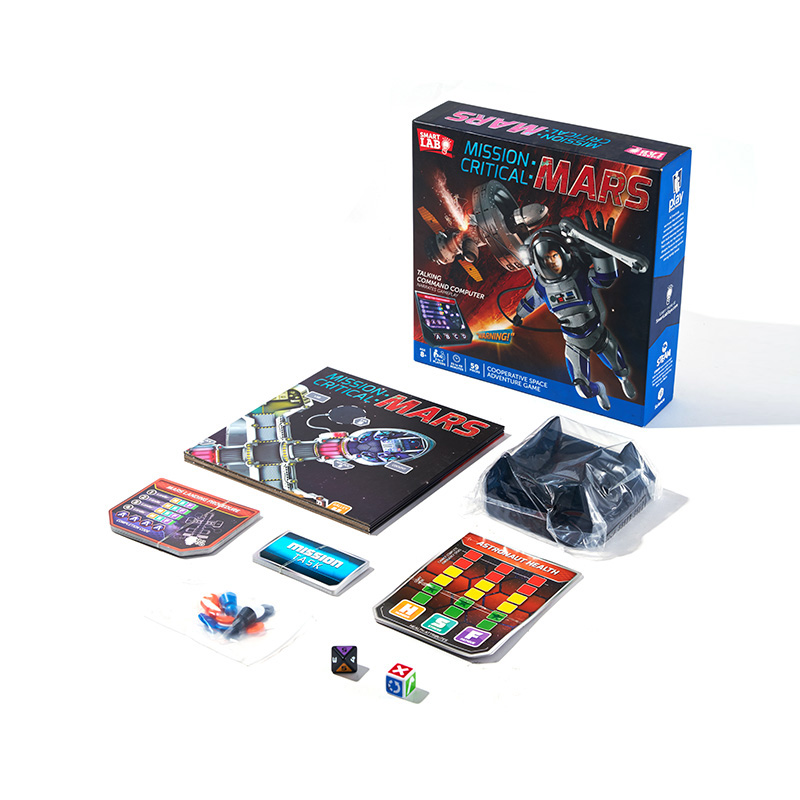
A Card Game Set Manufacturer may handle more than card printing. A complete set can contain cards, rulebooks, tokens, dice, score sheets, player boards, stickers, card holders, and other accessories.
The components need to be organized according to the game rules. Card decks may require sorting into different groups, while tokens and dice need to be packed into suitable sections.
Assembly is an important part of the process. Each component should be placed correctly, and the finished set should contain everything required for gameplay.
Packaging Development
Packaging protects the game during storage and transportation while also presenting the product to buyers. Tuck boxes, rigid boxes, magnetic boxes, tin containers, and custom inserts can be used for different card game formats.
The internal structure should provide enough space for cards and accessories without making the box difficult to handle. Rulebooks can have dedicated spaces, while tokens and dice can be stored in compartments or bags.
Quality Inspection
Quality inspection covers the complete product rather than cards alone. Printed artwork, cutting, corner rounding, coating, packaging, component assembly, and labeling can all be checked.
For custom projects, communication between the designer and manufacturer is important throughout production. Clear artwork files, approved prototypes, packaging specifications, and component lists can help keep the manufacturing process organized.