
 English
 中文简体
中文简体 русский
 Français
 عربى
عربى Español
- Type:
- Industry News
- Date:
- 2026-Sep-25
Card printing is an important part of developing a physical card game. The printing method needs to match the artwork, card material, surface treatment, game format, and packaging requirements.
A Card Game Set Manufacturer may work with different printing options for family games, educational decks, trading card products, party games, promotional sets, and custom tabletop projects.
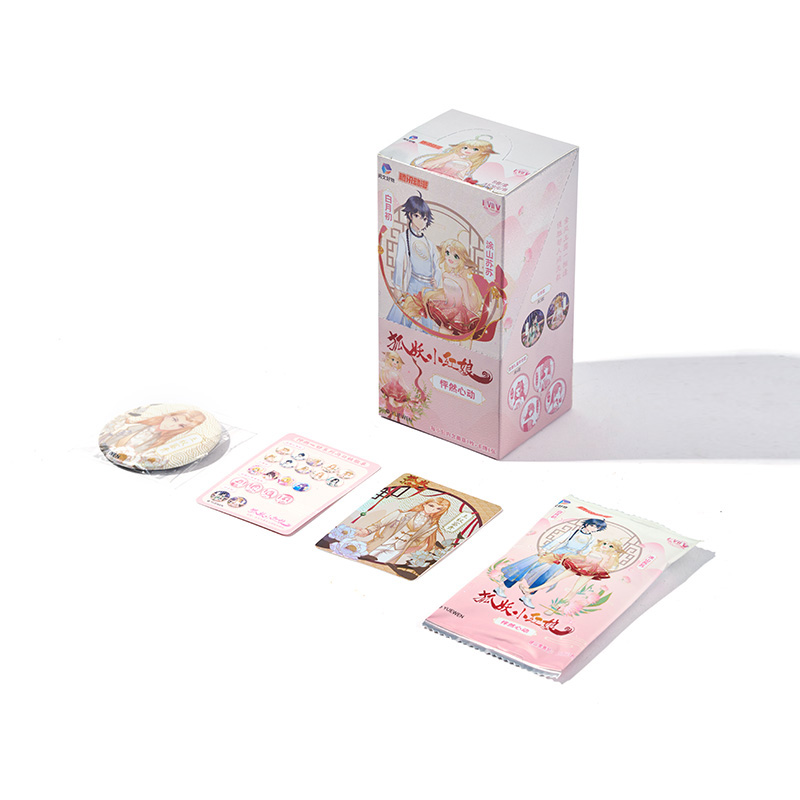
Before printing begins, the artwork should be prepared according to the required production format. This includes checking dimensions, bleed areas, color settings, text placement, symbols, and image resolution.
Card Stock Selection
Card stock influences how a deck feels during handling. Paper based materials are widely used for game cards because they can support printed artwork while providing a familiar texture.
Black core paper contains a darker inner layer that can help reduce light transmission through the card. Blue core paper provides another internal construction option. Coated paper can provide a smooth surface suitable for detailed artwork.
Plastic card materials can be considered for applications where the product requires different handling characteristics. Material choice should take into account the game environment, storage conditions, printing requirements, and expected handling.
Color Printing
Card games often contain illustrations, character designs, icons, symbols, backgrounds, and text. Accurate color preparation is therefore important.
CMYK printing is commonly used for full color artwork. Pantone color references can be useful when a project requires specific brand colors or consistent visual elements.
Card fronts and backs should be prepared carefully. Alignment is important because artwork can appear uneven when front and back designs do not match correctly.
The same attention should be given to repeated card elements. If a game contains several card categories with related artwork, their visual treatment should remain consistent.
Surface Finishing
Surface finishing can change the appearance and handling of printed cards.
Matte coating provides a soft visual appearance and can reduce reflections. Gloss coating creates a brighter surface with more visible reflections. Linen texture can introduce a textured feel that is familiar in some card products.
UV treatment can be used on selected areas or across a surface depending on the design. Foil stamping can add metallic visual elements to titles, symbols, borders, or special cards.
Embossing creates raised or recessed details. It can be combined with printed artwork or foil elements for packaging and selected cards.
The finishing method should fit the game concept rather than being selected without considering the overall product.
Custom Card Shapes
Not every card game requires a conventional rectangular format. Some projects use circular, square, hexagonal, or custom die cut cards.
Custom shapes can support a particular game mechanic or visual theme. However, the shape needs to work with storage and packaging.
Corner design also matters. Rounded corners are common for cards that are frequently handled. Custom corner shapes can create a different appearance while requiring suitable cutting tools and packaging arrangements.
Artwork Preparation
Artwork files need to be prepared carefully before production. Designers should provide correct card dimensions, bleed areas, safe areas, color information, and card sequencing.
Text should remain inside the safe area so that cutting does not affect readability. Important symbols and illustrations should also have enough space around the cutting line.
Card backs require special attention because players may notice alignment differences when decks are handled. Consistent artwork placement can help create a uniform appearance.
Matching Printing With Game Types
Different game categories can require different printing approaches.
Trading card games often use detailed artwork and repeated card layouts. Educational games may require clear text and easy recognition of symbols. Family games can use colorful illustrations and simple visual structures.
Promotional card sets may focus on branding and corporate artwork. Party games can require clear text that remains easy to read during group play.
The printing plan should therefore begin with the game purpose and continue through material, finishing, packaging, and component selection.
Printing and Packaging Coordination
Printing should not be considered separately from packaging. The finished card dimensions affect the internal box size, while surface treatment can influence how decks slide into inserts or storage sections.
A coordinated production plan can help ensure that cards, rulebooks, tokens, dice, and boxes fit together as a complete product.