
 English
 中文简体
 русский
 Français
 عربى
 Español
- Type:
- Industry News
- Date:
- 2026-Oct-23
Developing Custom Board Games usually begins with a product concept that needs to be converted into a physical sample. A prototype provides an opportunity to examine the board structure, cards, game pieces, packaging, and overall playing experience before batch manufacturing.
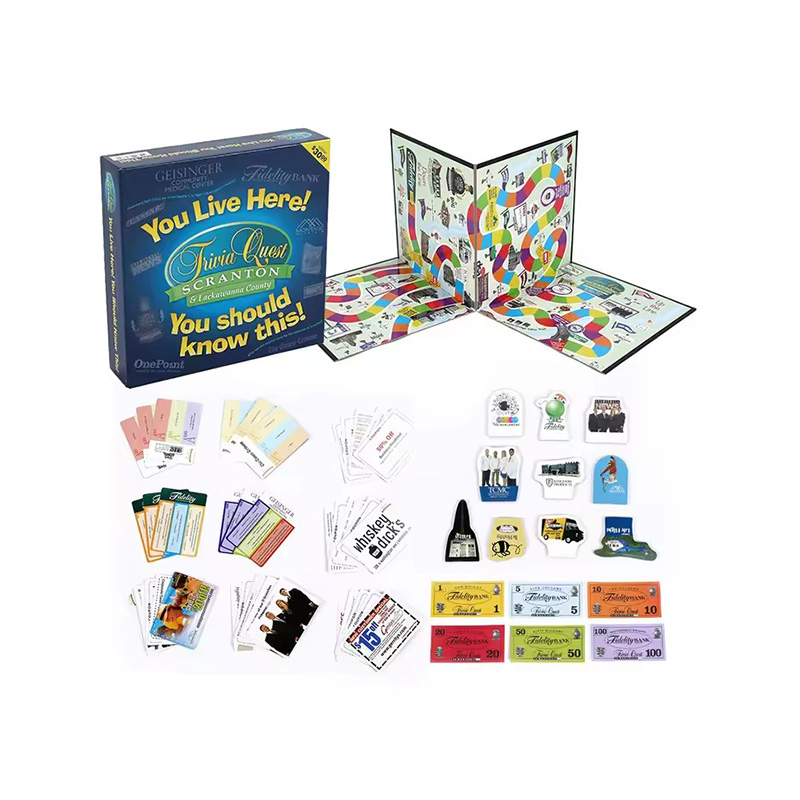
The prototype process starts with clear product information. Game rules, artwork, component lists, board dimensions, card specifications, and packaging requirements should be organized before manufacturing begins. These details give the production team a reference for preparing the sample.
Board and component dimensions need to work together. Cards should fit the intended storage area, tokens should match the playing surface, and the board should fit correctly inside the box. If the product contains custom-shaped components, their dimensions should also be checked against the internal packaging structure.
Artwork is another important part of prototype development. Printed graphics need to correspond with the physical size and shape of each component. Text placement, image positioning, symbols, colors, and other visual elements should be reviewed on the physical sample rather than relying only on digital files.
Preparing Files for Manufacturing
Once the prototype has been reviewed, production files need to be organized for manufacturing. Different components may require different file formats, cutting lines, dimensions, bleed areas, and printing specifications. Clear documentation helps reduce confusion when several components are being produced together.
Artwork files should match the actual dimensions of the game components. Cards, boards, boxes, inserts, and printed tokens may each have separate templates. Text should remain readable after printing and cutting, while important graphics should be positioned away from cutting and folding areas.
Component specifications should also be documented. Material type, thickness, dimensions, surface treatment, quantity, and assembly requirements can all be included in the production specification. This information provides a consistent reference throughout the manufacturing process.
Packaging requirements should be prepared at the same stage. The box, insert, and game components need to work together as a complete system. If the insert is designed without considering the actual component dimensions, storage problems may appear during assembly.
Moving From Sample to Batch Production
After the sample has been reviewed and approved, the production process can move toward batch manufacturing. The approved sample provides a physical reference for the production team and helps establish the expected appearance and structure of the finished game.
Production can involve several coordinated processes, including printing, board manufacturing, card cutting, component production, box manufacturing, insert production, assembly, and packing. When many component types are included, coordination between these processes becomes particularly important.
Quality inspection can be carried out at different stages of production. Printed materials can be checked for artwork alignment, surface quality, and visible defects. Components can be reviewed for dimensions, shape, markings, and finish. Packaging can be checked to ensure that the game contents fit correctly and remain organized.
Assembly also requires clear instructions. Components should be sorted according to the approved product specification, and the completed game should contain the required materials. Packaging should protect the contents during handling and transportation.
For purchasers developing a new Custom Board Games project, the transition from prototype to batch production is easier when the approved sample, artwork files, component specifications, packaging drawings, and assembly requirements are clearly documented. This creates a practical reference for communication throughout the production process.